
If we’re being honest, all game nights are not created equal. Some can be cringe, some may not cater to everyone’s types of fun or games, and others can be just plain awkward if the energy’s off. You know the kind–where half the room doesn’t know the rules and the other half doesn’t want to be there.
If you want to take on the challenge of hosting a game night that’s actually fun, balanced, and memorable (in a good way), here are some tips that might be able to help you get started.
Establish Some Goals

If you want to host a game night, first establish what you want to happen. What are your main objectives? Are you simply here for fun? Do you just want to laugh as much as possible? How about encouraging people from your different friend groups to bond or get to know each other? Or maybe you want everyone, including yourself, to get out of their comfort zones?
Narrowing down your objectives will help you streamline your game choices, decor and food options, as well as how you set the tone for the whole night.
Know Your Space
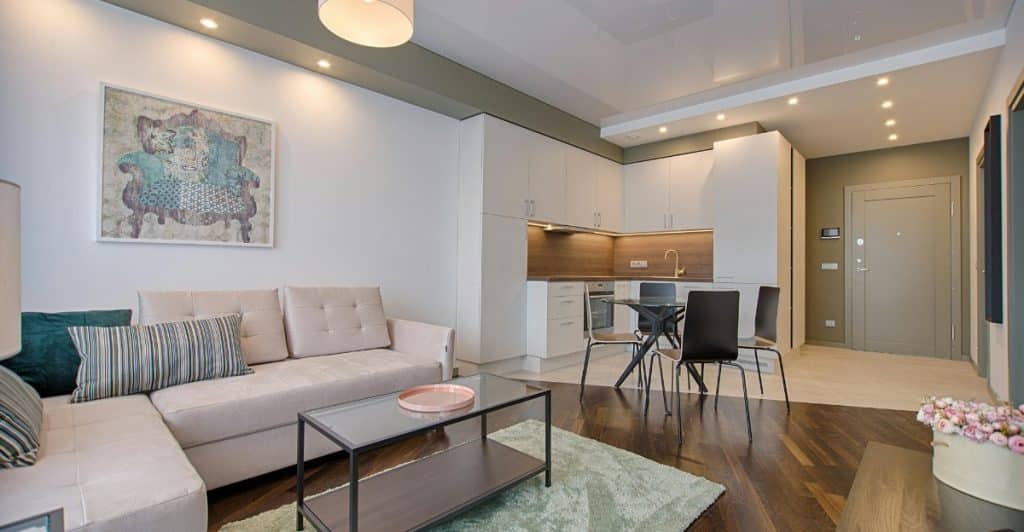
Once you’ve had your goals down pat, now is the time to accept and embrace just how many people can fit in your space, and if your room or venue limits what types of games you can do.
For example, a game night in a coffee shop might be too loud or disruptive to the business. Another example is needing a round table for table-top games. Not having the right space can make or break your game night, so work with what you’ve got and plan accordingly–because cramped and chaotic isn’t the vibe we’re going for.
Accept the Amount of Guests You Can Invite

Unless you live in a mansion and have unlimited resources, you need to accept that your space–and your budget–can only handle so many people. Too many guests can make the night feel chaotic or overwhelming, especially if you’re the only one running things. Think of it like a dinner party: more doesn’t always mean better. Quality over quantity wins here. Pick a number that allows everyone to participate without stepping over each other (literally and socially).
Prepare Your Guests for What’s to Come

Aside from the details of the party, like the venue, date, and time, you also need to share some other information that might be helpful to your guests. You don’t have to completely spoil what will happen, but you do have to understand that not everyone has the capacity for certain activities or interactions.
For example, extroverts may be hyped for group games, while introverts might need more time to warm up–and ambiverts fall somewhere in between. Giving them a heads up will help them prepare for the vibe and keep any awkwardness to a minimum.
Pick a Fun Theme

People think sticking to a theme is only exclusive to role-playing games, but having a theme can actually help tie the whole night together. It doesn’t need to be full-on cosplay. Even just coordinating the snacks, music, or game types around a concept (like “Throwback Night” or “Murder Mystery”) can instantly elevate the vibe. It gives people something to look forward to and a reason to maybe dress up or lean into the fun a bit more.
Set Up a “Chill Zone”
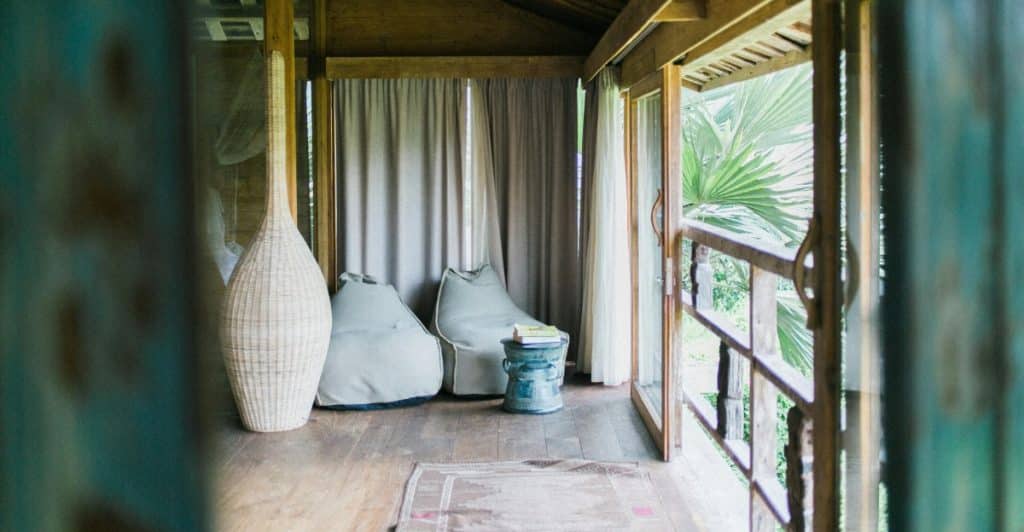
Sometimes, some guests need a breather from the adrenaline rush of being in a game-heavy environment. Whether they’re tired, overstimulated, or just not feeling competitive, it’s important to give them an option to decompress. Set aside a corner or room where people can snack, talk, smoke, or just take five. A few bean bags, cozy lighting, and chill music can go a long way. Not every second of the night needs to be “go, go, go.”
Prepare Snacks Everyone Can Eat
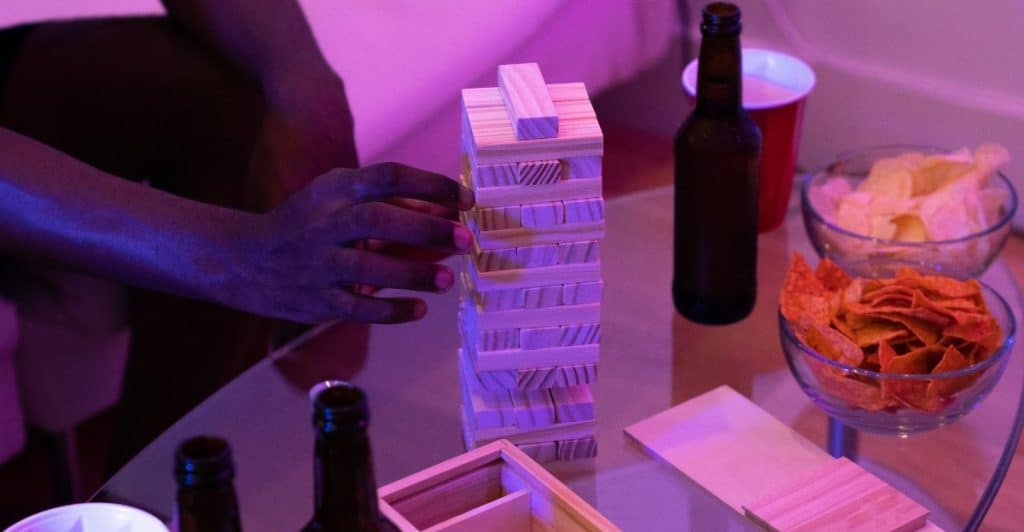
One thing game night masters don’t often consider is their guests’ diet restrictions. Someone might be vegan, gluten-free, allergic to nuts, or on a health kick—and no one wants to feel left out of the snack table. Keep it inclusive. Label the food if needed.
Here are some old faithful snacks you can prepare for your guests:
- Popcorn (easy and allergen-friendly)
- Veggie sticks with hummus
- Fruit platters
- Chips and guac or salsa
- Mini sandwiches (with veggie options)
- A sweet treat (just make sure to ask about allergies)
Create a Schedule and Stick to It

In an ideal world, we can play games with our friends all night especially when we’re having so much fun. However, many of us have responsibilities we need to go home to, so creating a schedule and sticking to it is one of the most considerate things you can do for your guests. A loose structure helps keep the energy flowing and avoids decision fatigue mid-event.
Here’s a sample schedule you can consider:
- 7:00 PM – Guests arrive, grab snacks
- 7:30 PM – Icebreaker or warm-up game
- 8:00 PM – Main games start
- 9:30 PM – Break / chill time
- 10:00 PM – Final round / wrap-up game
- 10:30 PM – Wind down and goodbyes
Start with an Icebreaker
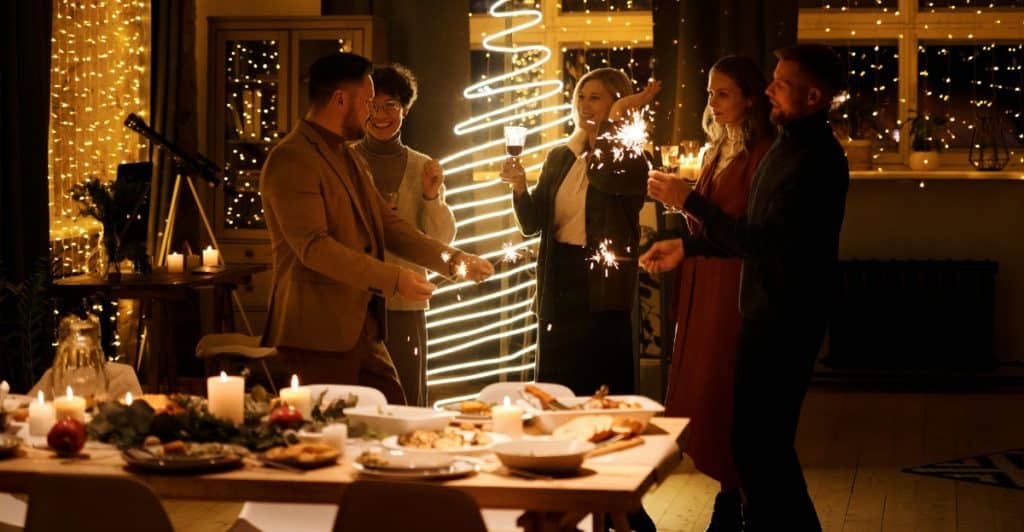
A warm-up game or an icebreaker can help your guests loosen up and
Make sure this game is short (up to 15 minutes only), has few rules so people don’t have to overthink, and interactive so your guests can warm up to each other and start talking and laughing as soon as they arrive. Think “Two Truths and a Lie” or “Would You Rather.” The goal is to break the ice, not to win.
Anticipate Potential Problems

Here are some potential issues that may arise as you plan: late arrivals, people not knowing each other, snacks running out too soon, or certain games falling flat. Expect a little bit of mess. It’s normal. You don’t have to solve every problem before it happens, but having a plan in place (and keeping your cool) helps a lot.
While your game night doesn’t have to be perfect for it to be fun and memorable, being adaptable and calm when things go off script is a hosting superpower.
Know the Rules of the Game
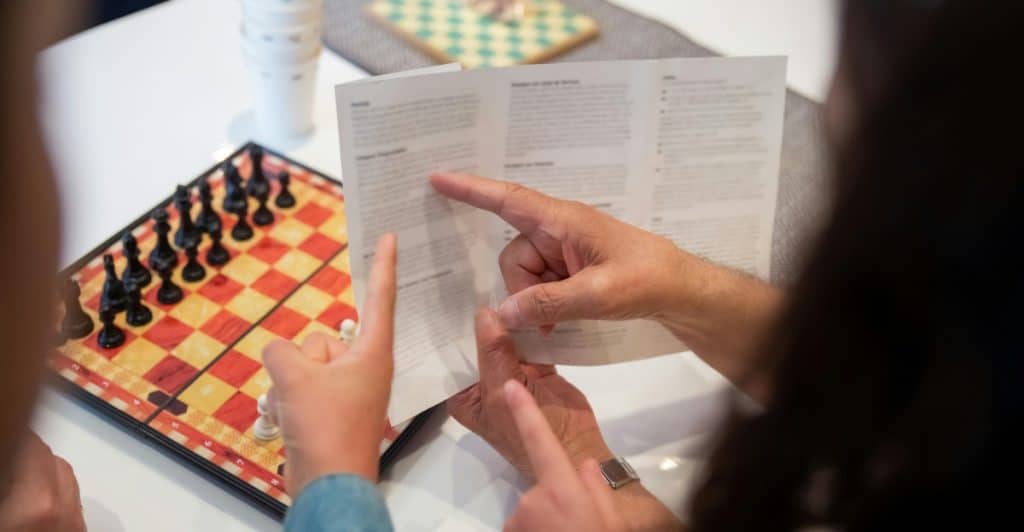
There is nothing that causes game night chaos more than a game master who doesn’t know his stuff. If you’re introducing a new game, take time to learn the rules beforehand. Maybe even do a dry run if you’re not confident. The smoother the explanation, the faster everyone can jump in and actually start playing, and the less likely people are to mentally check out. You don’t need to be a rulebook robot, but you do need to know what’s up.
Choose Games According to Friend Group
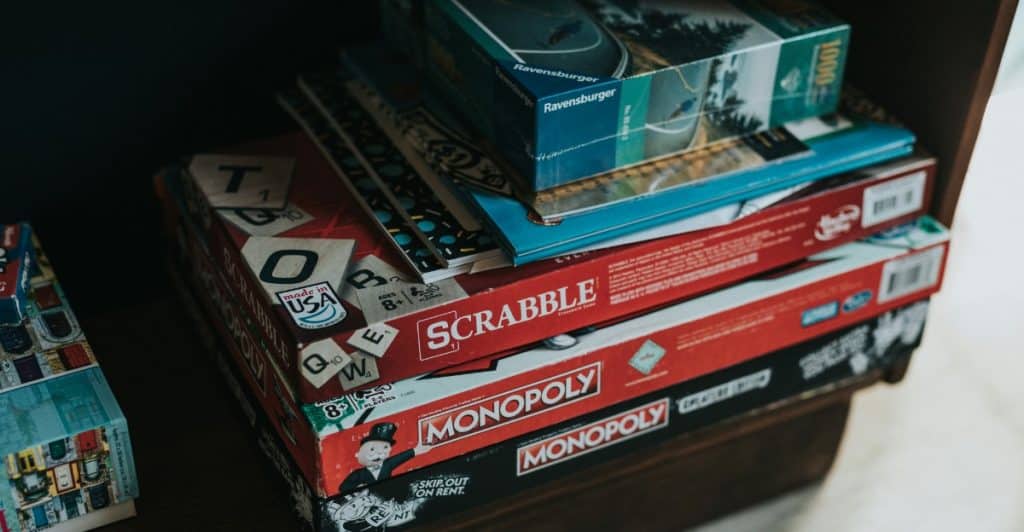
If you have different sets of friends, try to choose which game you think will suit that specific set of guests the best. For example, your more logical friends might enjoy something like Codenames or Azul, while your competitive friends might enjoy games like Uno Flip or Werewolf. Meanwhile, your chaotic-fun crew might thrive in games like Jackbox or Telestrations. Read the room. One game does not fit all.
Have Back-Ups in Place
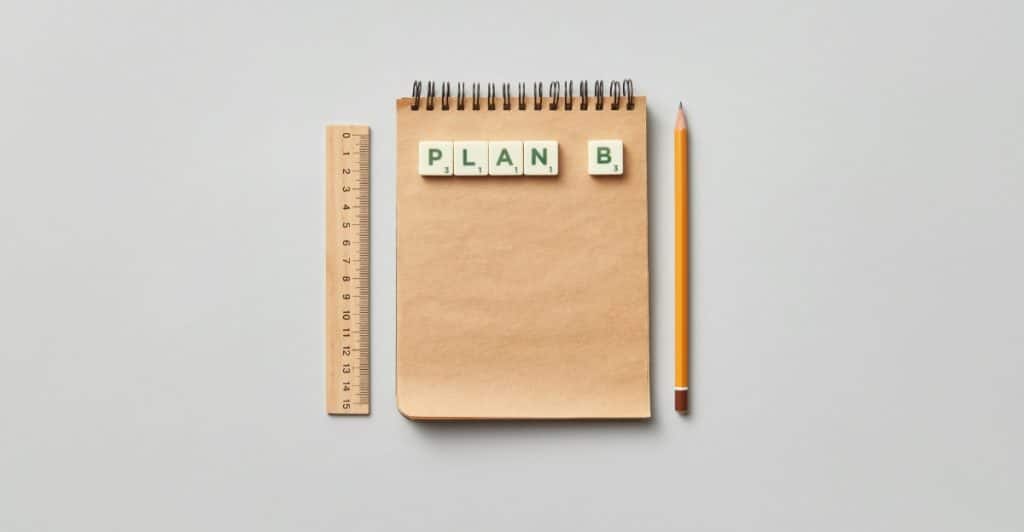
If certain games aren’t quite hitting, make sure you have a plan B or a plan C in place to keep the energy from crashing. Maybe a more casual game, maybe a switch in format (team vs individual), or even an early snack break. The key is not to force it. If something’s clearly not working, pivot. It’s not about sticking to the plan–it’s about making sure people are having a good time.
Observe If People are Having Fun

This doesn’t mean you have to be a people-pleaser or indulge their every whim or request, but pay attention to your guests’ body language and energy levels.
Are people laughing? Engaged? Or are they checking their phones and spacing out? A good host knows when to switch things up or give people a break. Sometimes, simply asking “How are we feeling?” can reset the mood and get everyone back in the game–literally.
Have Fun Too!

And last but not least, you should have fun too! Just because you’re the host doesn’t mean you’re stuck in organizer mode the whole time. You planned this night to enjoy it with your people. So once things are flowing, take a breath, grab a snack, jump into a round, and laugh with your friends.
A relaxed host sets the tone for the entire night. If you’re having fun, chances are everyone else will too.








Ask Me Anything